Welcome to the first edition of our new publication, The Independent Fiduciary, our quarterly newsletter keeping you informed on the latest ERISA developments, insights, and best practices. As a valued client, we hope this becomes a useful resource to help you stay ahead of your compliance obligations throughout the year.
Spring is when the work of the prior year comes into focus, valuation results arrive, participant statements follow, and questions begin. This issue is about the process that sits behind all of it.— William J. Kropkof, CEBS · Independent Fiduciary, ERISA Advisory Group
FROM THE TRUSTEE
The Season When Process Becomes Visible
For most ESOP companies, spring is transition season. The plan year has closed, the valuation is either complete or in process, and participant account statements are being prepared. It is the time of year when the mechanics of employee ownership, the parts that usually operate quietly in the background, become visible to participants, plan sponsors, and trustees alike.
That visibility is healthy. It is also an opportunity. When participants receive their annual statements and ask how their account value was determined, there is a clear and honest answer: through a documented, independent, fiduciary-quality process designed to protect them. That process is what this issue is about.
An ESOP account is not like a 401(k) invested in public equities, it holds shares in a private company, and the value of those shares is determined through an annual process that the trustee oversees on behalf of participants.
WHAT WE’RE WATCHING
Federal Signals & Recent Developments
Employee ownership remains an active area of federal policy in 2026. Three developments stand out for independent fiduciaries and plan sponsors this spring.
Employee Ownership Initiative Report to Congress
The Department of Labor submitted its Employee Ownership Initiative report to Congress, signaling continued federal interest in expanding employee ownership and building educational resources around ESOP structure, governance, and participant rights.
DOL Continues to Emphasize Prudent Process & Disclosures
The DOL’s public ESOP materials continue to focus on prudent process for stock transactions, participant-facing disclosures, and the role of independent valuation in protecting plan participants from overpayment.
Hollandia Matter: Most Fiduciary-Breach Claims Allowed to Proceed
A federal court allowed most of the ESOP fiduciary-breach claims in the Hollandia matter to move forward, a timely reminder that process, oversight, and transaction discipline are not abstractions. They are litigation defenses.
ESOP BASICS
What Is Fair Market Value, and Why Does It Matter?
In an ESOP, fair market value (FMV) is the price at which company stock changes hands between a willing buyer and a willing seller, neither under any compulsion and both reasonably informed of the facts. Because ESOP stock is not publicly traded, FMV cannot be read off a ticker. It must be determined through an independent annual appraisal.
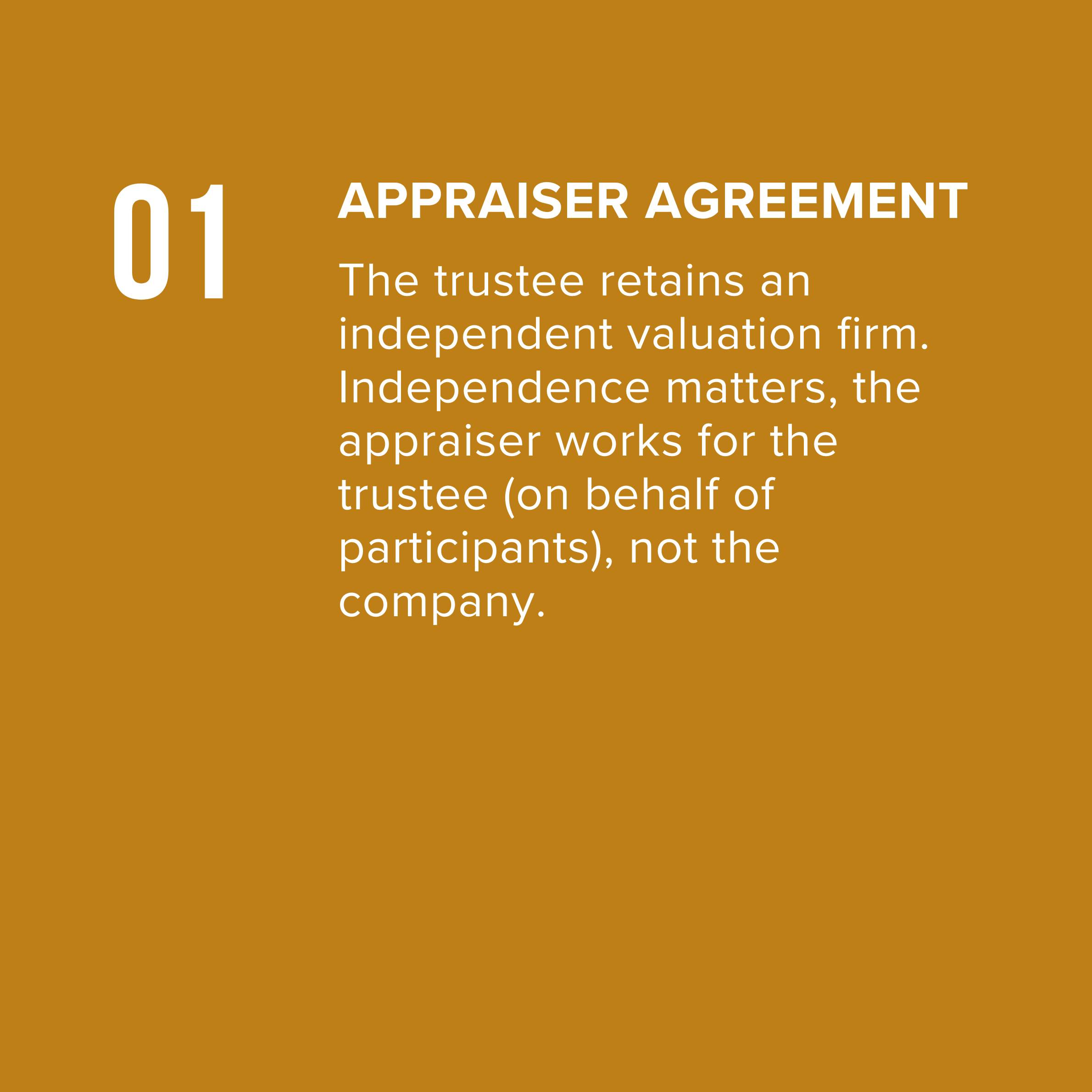
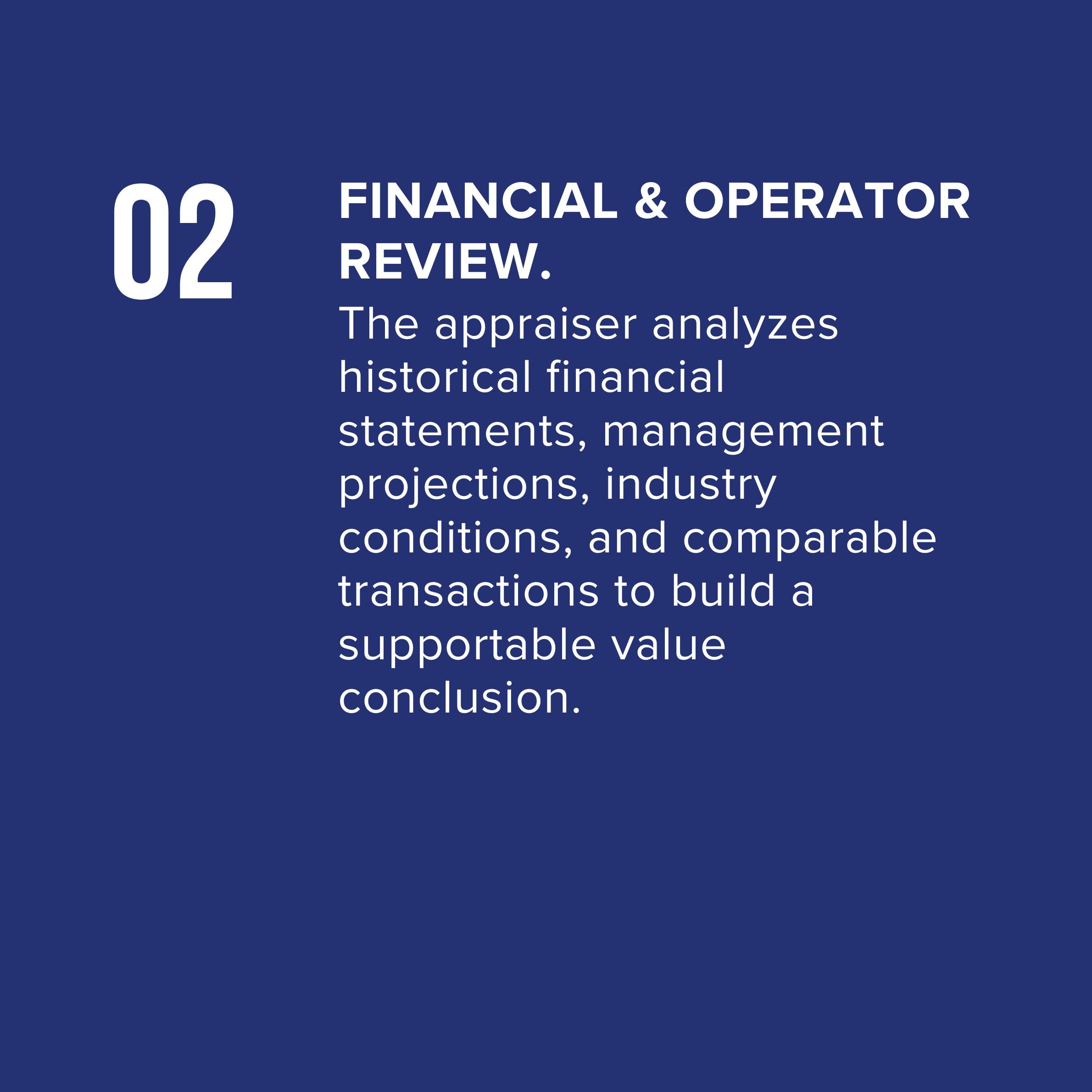
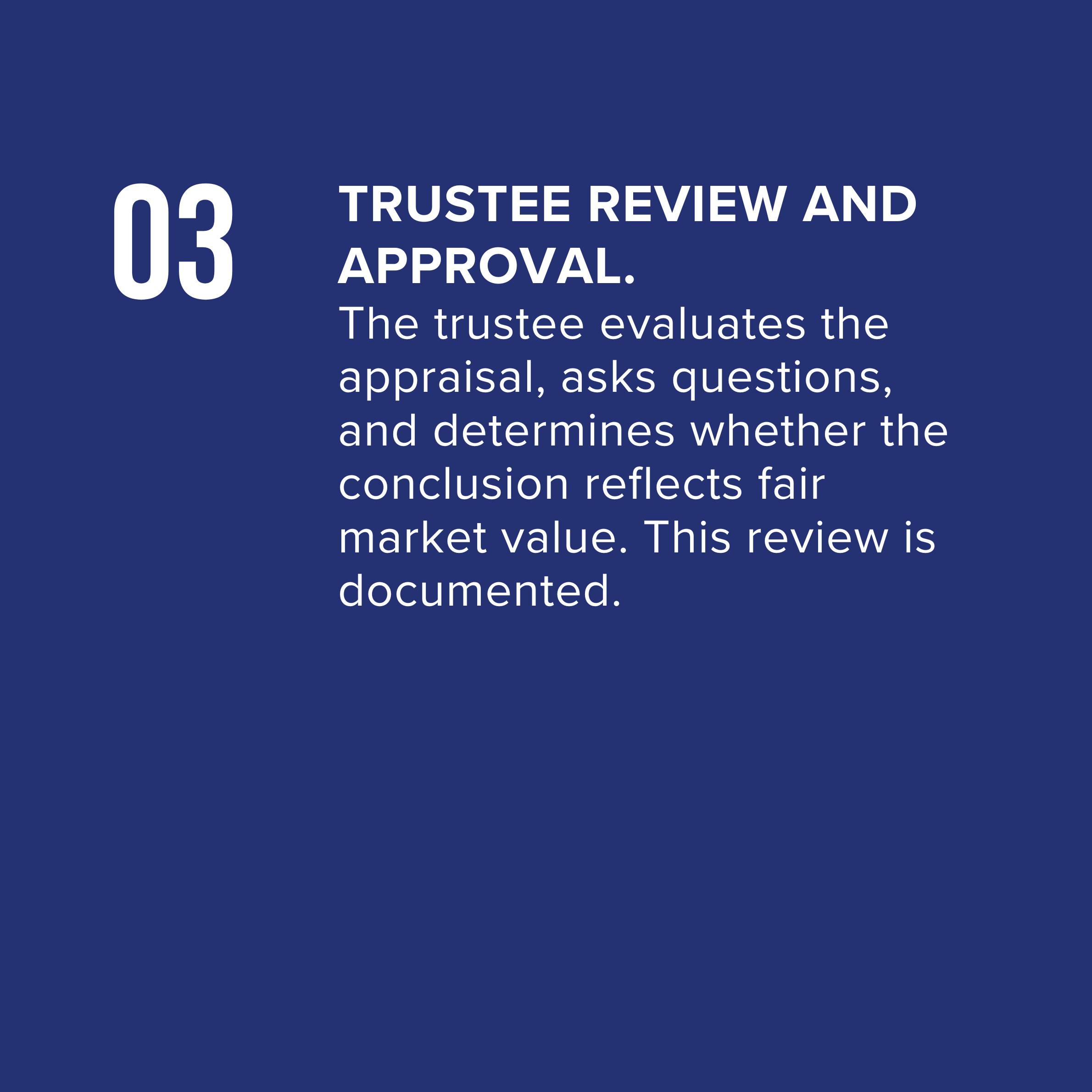
This is not optional. Federal law requires it. The trustee’s job is to engage a qualified, independent appraiser and then review the methodology, assumptions, and conclusions with a fiduciary’s standard of care before approving or rejecting the valuation.
Here is how the process typically works in practice:
In 2025, the DOL proposed a rule on adequate consideration to provide clearer guidance for fiduciaries determining fair market value in ESOP stock transactions. The proposal reflects continued regulatory focus on ensuring that ESOP valuations reflect a rigorous, defensible process, not simply a sponsor-preferred number.
WHY IT MATTERS TO PARTICIPANTS
What Participants Can Expect to Receive and When
For employees enrolled in an ESOP, the account statement is often the most tangible proof that the plan is working. Understanding what drives that number, and when to expect the disclosures that accompany it, removes uncertainty and builds trust in the plan.
Two key documents participants should know:

Annual Account Statement.
Shows the value of each participant’s ESOP account, updated each plan year using the trustee-approved per-share value from the independent appraisal.

Summary Annual Report (SAR).
A plain-English summary of the plan’s financial condition. Under DOL rules, participants generally receive the SAR within nine months after the plan year ends, or two months after the Form 5500 is filed, whichever is later.
PLAN YEAR ENDS
DEC 31
VALUATION COMPLETED
Q1 – Q2
FORM 5500 FILED
BY OCT 15
SAR DISTRIBUTED
2 MONTHS
Understanding these timelines helps participants know what to expect and helps plan sponsors and trustees communicate proactively rather than reactively.
LEGAL & CURRENT AFFAIRS
What Hollandia Tells Us About Process
On March 3, 2026, a federal court allowed most of the ESOP fiduciary-breach claims in the Hollandia matter to proceed to the next stage of litigation. The case is a reminder that process is not merely best practice, it is the primary defense available to a trustee when a transaction is challenged.
The questions a court typically asks in ESOP fiduciary cases revolve around documentation: Was the appraisal truly independent? Did the trustee conduct a genuine review or simply rely on the sponsor’s preferred number? Were participant interests placed at the center of the decision, or were they secondary to the seller’s goals?
ERISA Advisory Group’s approach to every transaction is built around answering those questions in advance, with documentation that can withstand scrutiny long after closing.
The core principle: A trustee who can demonstrate independent engagement, thorough review, and reasoned judgment is in a fundamentally different position than one who cannot. Process is the foundation on which fiduciary credibility is built.

Meet your Author
William
Kropkof
Independent Fiduciary
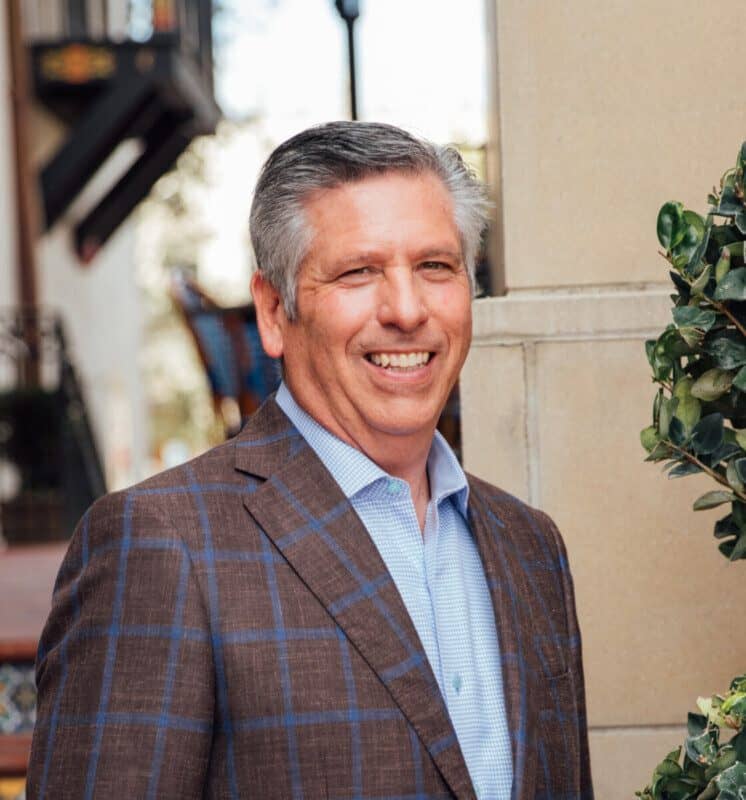
William Kropkof is the founder of the ERISA Advisory Group, established in 1995 to help businesses build ERISA-compliant Employee Benefit and Retirement Plans. Before entering the private sector, he spent seven years as an Investigator with the US Department of Labor, auditing employers and enforcing ERISA compliance. That hands-on regulatory experience now informs his work as an Independent Fiduciary, serving clients across industries including Trade Associations, PEOs, and Taft-Hartley Unions.